Have you cheered when your child ties their shoelaces for the first time? Or felt quiet pride as your preschooler drew a steady line across a page, pencil in hand?
These seemingly magical moments are examples of fine motor skills at work. Developed over time, fine motor abilities shape how your children hold a pencil, feed themselves, get dressed, or handle tools.
Each squeeze of a peg, twist of a bottle cap, or press into playdough helps strengthen their little hands and fingers. Collectively, they prepare our children for writing, self-care, and everyday independence as they develop in their early childhood years.
In this article, you’ll explore what fine motor skills are, why they matter in the early years, the differences between gross and fine motor skills, as well as ways to support your child’s journey at home. We’ll also share how we help your child develop these vital motor skills right here at Heartfield Kindergarten.
What Are Fine Motor Skills?
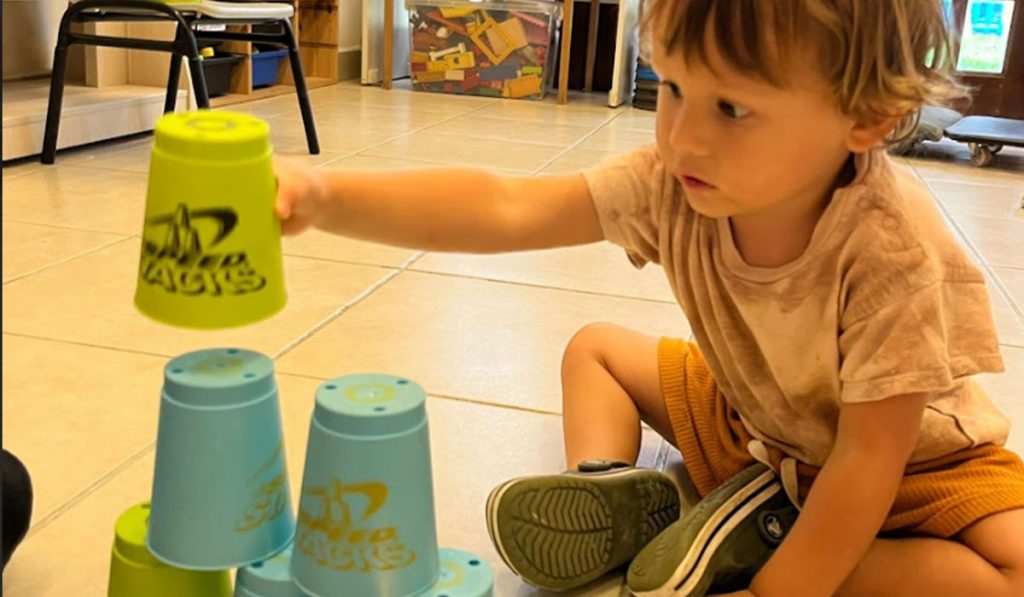
Fine motor skills refer to the small, precise movements of the hands and fingers. These skills are needed to button a shirt, turn a page, pick up small objects, mould playdough into an animal, or hold a crayon with control.
Forming the foundation for essential everyday tasks—writing, drawing, eating, brushing teeth, and getting dressed—such abilities are necessary for everyday life. When children develop good fine motor control, they can handle tools, manage routines independently, and focus for longer periods doing seated work.
Such motor skills emerge gradually and at different rates. Between the ages of four and six, most children experience a noticeable leap in fine motor strength and coordination, especially when they are given regular, purposeful opportunities to practise.
The Importance of Fine Motor Skills
How soon should your child develop fine motor skills?
Studies have shown that the early years are the window. Between the ages of three and six, children’s hands and fingers grow stronger with each purposeful movement. This is when the foundation is set for writing, drawing, and managing tools confidently.
Research shows that students with good fine motor skills are likelier to succeed in activities. Even the fine motor skills of a 4-year-old, such as gripping a pencil, forming letters, or folding paper, can reflect how well they are progressing. Strong control allows children to stay focused during seated tasks while building hand-eye coordination and the ability to complete precise actions like pouring water or fastening clothing.
Beyond the classroom, such skills shape a child’s confidence in caring for themselves. From managing meals to packing their own bag, fine motor abilities are essential for independence not just now but for school, work, and life ahead.
Fine Motor Skills vs Gross Motor Skills
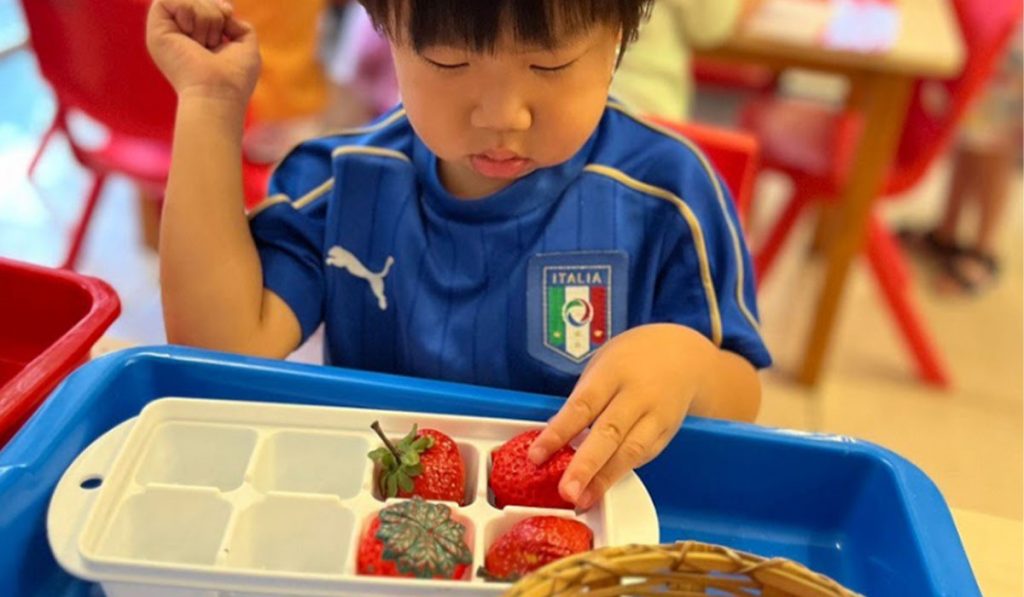
Fine and gross motor skills often work hand in hand, but they focus on different parts of your child’s development. Both are just as important.
Fine motor activities involve your child’s small muscle groups, particularly their fingers, wrists, and hands. Your child uses these precise moments to thread beads, twist open containers, peel stickers, or fasten Velcro on shoes.
Gross motor skills, on the other hand, involve larger muscle groups like the arms, legs, and torso. Running, climbing, balancing, and jumping all rely on gross motor control. For toddlers and 4 to 6-year-olds, gross motor skills play a key role in building strength, stability, and coordination across their whole body.
Young children usually develop gross motor skills before attaining fine motor control. Crawling, balancing on beams, or riding a scooter helps to build the core strength needed to support steadier, more refined hand movements later on.
Examples of Fine Motor Activities in Kindergarten
Wonder how we develop fine motor skills in kindergarten?
In our classrooms, fine motor development is woven into our daily routines. Every activity is designed to build strength, control, and coordination, without feeling like hard work.
Your child may thread colourful beads onto a string, squeeze tongs to move pom-poms into cups, or lace cards with deliberate concentration. They train their hands to work with care and precision as they do so.
That’s not all. Our children press, pinch, and roll playdough, use pegboards to form patterns, and build with small interlocking blocks. These activities strengthen their hand muscles while encouraging creativity.
Other fine motor control tasks include sorting coins, picking up small items with tweezers, and fitting nuts and bolts together. No matter how simple, every action adds to your child’s growing ability to focus, stay steady, and work independently with their hands.
How Parents Can Support Fine Motor Skills at Home
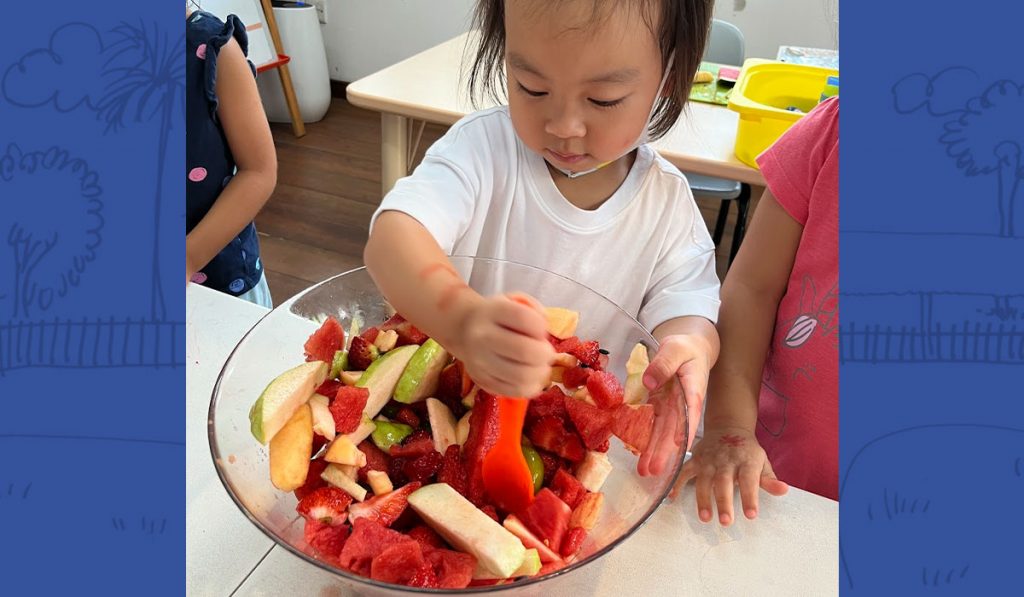
Looking for ways to strengthen your child’s fine motor skills at home? Good news! Everyday moments already offer the perfect opportunity.
Start by giving your child simple, purposeful tasks. Let them pour water into a cup, peel a banana, or button their own shirt. These small actions build confidence and control.
You may also provide play materials that encourage finger work—think playdough, stickers, clothes pegs, or LEGO bricks. Every squeeze, pinch, or press helps train those tiny muscles in their hands.
During snack time, invite your child to scoop cereal, stir yoghurt, or pick up berries one by one. Such mealtime routines double up as gentle hand workouts.
What about bath time? Consider giving them a small sponge to squeeze, cups to pour and refill, or a washcloth to wring out. These water play activities help strengthen grip and hand coordination in a relaxed, playful setting.
How Heartfield Builds Both Fine and Gross Motor Skills
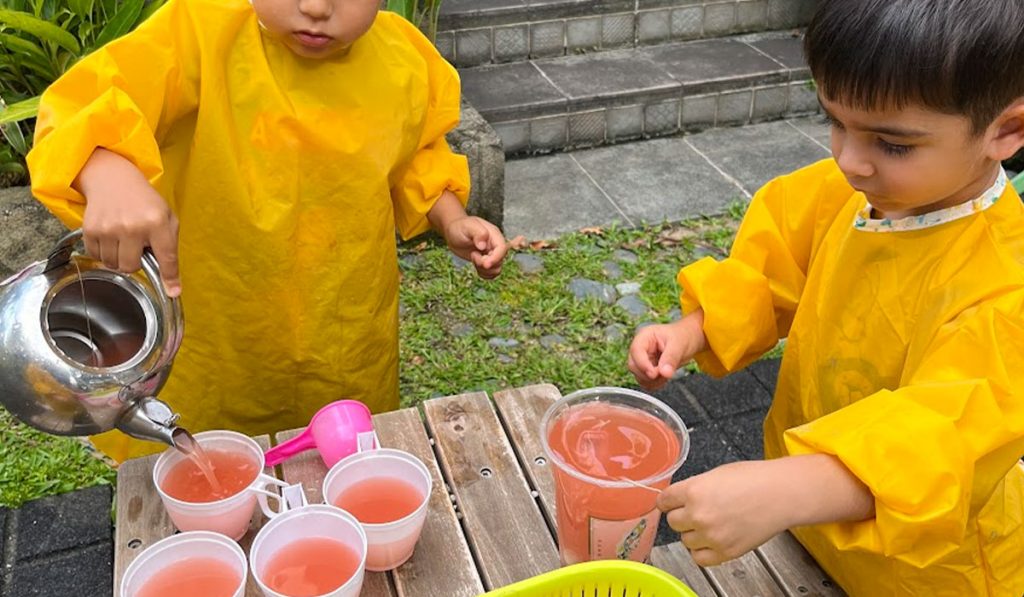
In our classrooms, motor skills are developed through daily hands-on experiences. Children draw, trace, and craft at open-ended stations, and take part in themed activities, like squeezing lemons during cooking or using tweezers in science.
We adopt purposeful sequencing to develop your child’s motor skills in a phased manner. Gross motor activities such as climbing, balancing, or stretching come first, followed by finger-strengthening tasks that require greater focus and control.
Located at 31 Balmoral Road, we invite you to explore our campus. Call us at +65 6835 2354, email info@HeartfieldKindergarten.com, or visit our website to arrange a visit.
To help you understand more of this topic, check out our FAQs for parents below.
Frequently Asked Questions (FAQs)
1. My child struggles to hold a pencil properly. Can this be improved at kindergarten?
Yes. At Heartfield, we gradually build finger strength and control through fun daily tasks like threading beads, using play dough, and holding tongs. These are designed to help your children develop the muscles needed for writing.
2. Why does my child need to do big movements before small ones?
Large body movements help activate the brain and warm up the muscles, making it easier for children to focus and control their fingers. That’s why we start with climbing or dancing before moving to drawing or writing tasks.
3. My child can’t tie their shoelaces or button their shirt. Is this normal?
Yes, many children are still developing hand coordination at this age. At Heartfield, we incorporate tasks like dressing up, using zippers, and simple lacing activities to build independence step by step.
4. My child refuses to use a fork and spoon properly. What can I do?
Don’t worry! We support this at school by encouraging self-feeding during snacks and mealtimes. With child-friendly utensils, we gently guide them to scoop, cut, and handle food as they build their confidence and coordination.
5. Why does my child scribble so messily or colour outside the lines?
Scribbling is a natural part of learning. Over time, with activities like tracing, pegboard play, and finger painting, children gain better control over hand movements, leading to neater, more intentional work.
6. My child can’t fold paper neatly or cut along a line. Is that a concern?
Not at all. Precision takes practice. We work on this using crafts, origami, and scissors work that builds spatial awareness and fine motor control in fun, low-pressure ways.
7. My child gives up easily on tricky tasks. How do you help build persistence?
We design challenges just slightly above their current ability, so they feel the joy of “I did it!” From squeezing a cloth and threading beads to completing a drawing, success builds resilience.
8. How can I support fine motor development at home, without screen time?
Simple things help: tearing paper, kneading dough, buttoning clothes, or even peeling fruit. If it carefully uses fingers, it’s helping your child grow!