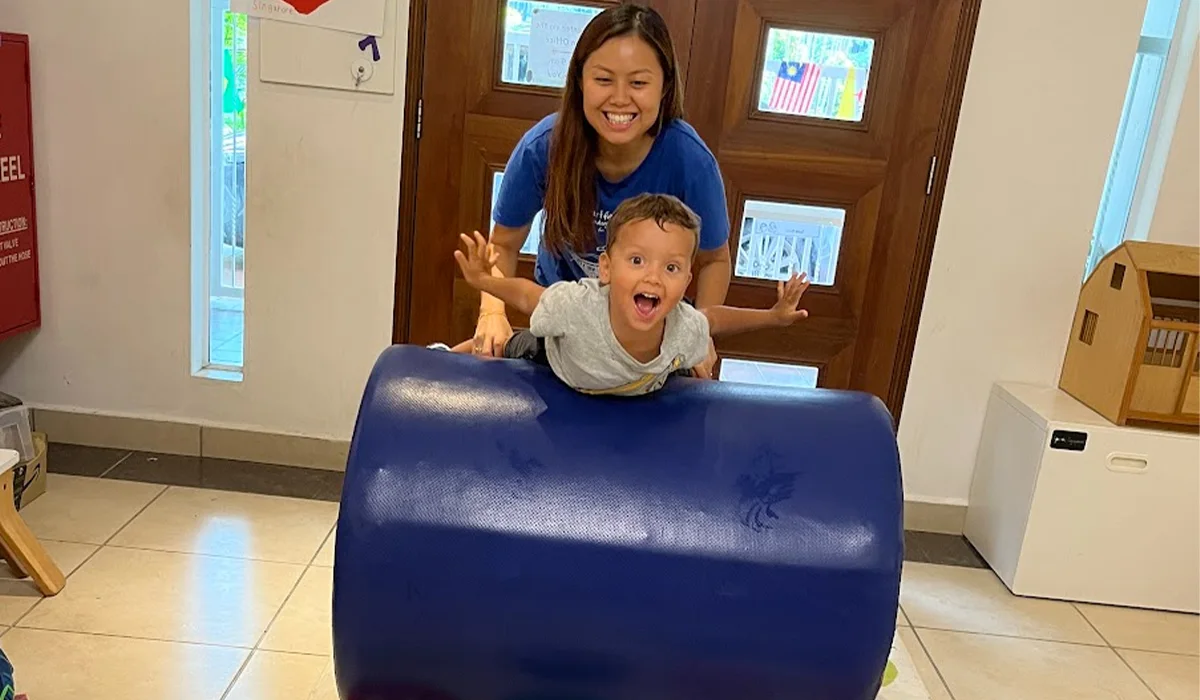
Wonder which adaptive learning styles suit your child best in kindergarten? Start by noticing their everyday moments.
Do they choose to study a picture closely, learn by moving and building, or gravitate towards exploring through play?
No two children learn in the same way. Some respond to what they see. Others remember what they hear. Many prefer to discover the world by touching, moving, and trying things out for themselves.
In this article, you will learn how kindergartens adapt to different learning styles, what this looks like in everyday activities, what a strong adaptive curriculum includes, and how Heartfield supports each child through a child-centric approach that respects their unique learning style.
Understanding Different Learning Styles
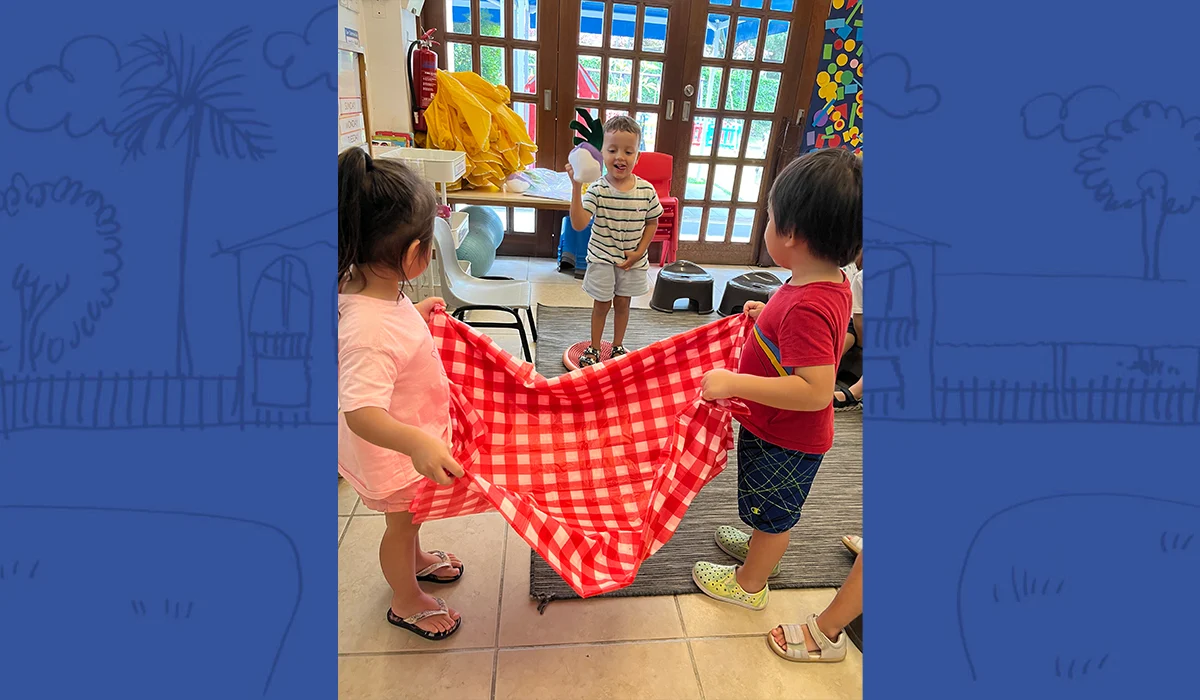
In a kindergarten, you’ll often notice a variety of interesting ways in which a child approaches a task. A child may sketch out an idea before attempting it. Another may talk through it aloud with their peers or teacher. A third may reach straight for materials and start experimenting.
These tendencies reflect their different learning styles. As shared in our guide to multiple intelligences, some children are visual learners who respond to images and patterns. Others are auditory learners who absorb information through listening and language. Kinesthetic learners, on the other hand, prefer movement and hands-on activity.
There are also kids who learn best through interaction with others (interpersonal intelligence), and those who prefer to reflect on what they learned and work things out on their own (intrapersonal intelligence). These are further examples of differentiated learning.
As children experience these differences, they begin to recognise what works for them. A child who loves building may gravitate towards activities that involve touch and movement. Another who loves stories may respond more deeply to spoken instructions. Over time, such awareness helps them take greater ownership of their approach to learning.
For teachers, this means looking beyond surface performance to foster child-led learning. A child who hesitates during a worksheet may respond better in a different setting. By recognising these patterns early, they can better guide each child with learning approaches that match their strengths and preferences.
Everyday Activities for Different Learners
With these learning styles in mind, how can we as parents and educators design the right learning experiences for our children? Let us give you some ideas here.
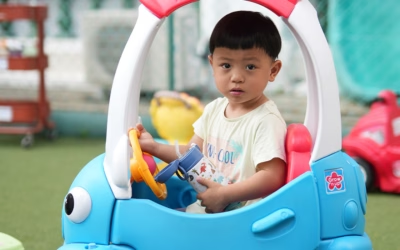
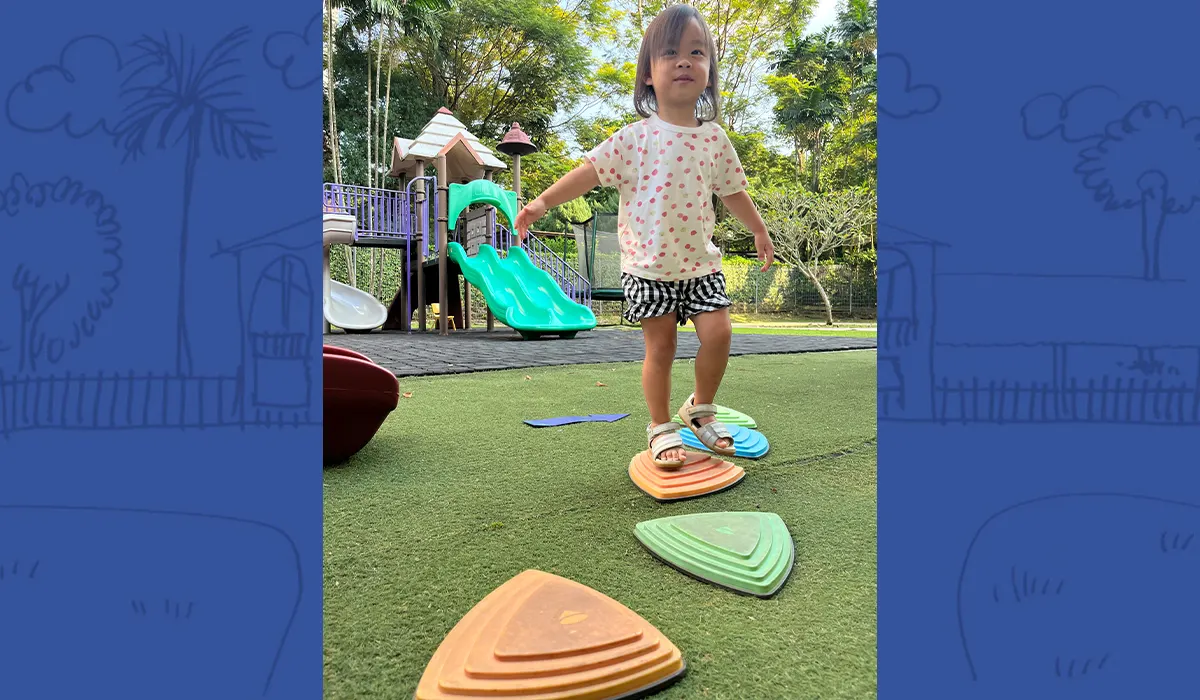
Some children learn best when they can move freely out in the open. For them, outdoor play may work best. Let them count steps along a path, group leaves by size, or form shapes using their bodies.
Others respond strongly to what they see. A simple drawing, a picture card, or a quick visual guide can help them grasp a concept more easily. These children often remember images well and use them as anchors when thinking and recalling.
There are also children who prefer to work with their hands. Give them objects to explore. Use sticks or blocks to measure length, compare sizes, or build simple structures. As they touch, arrange, and experiment, they begin to understand ideas in a concrete way.
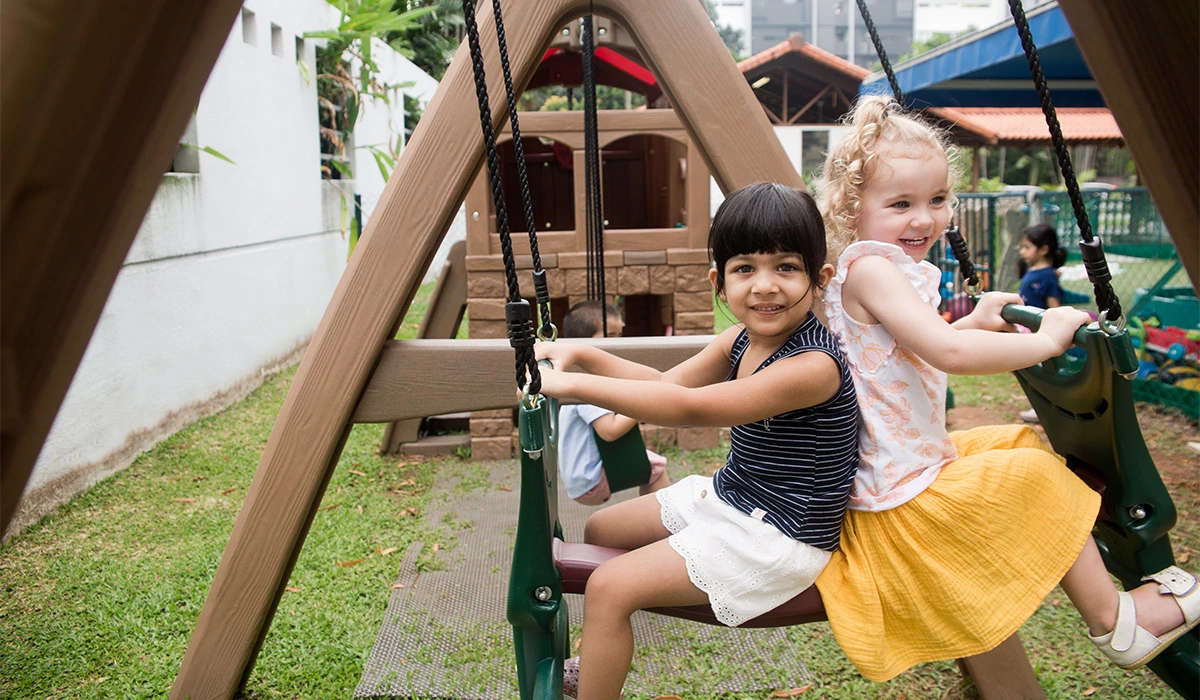
Finally, you have kids who thrive through interaction. Pair them with a familiar friend or place them in a small group to encourage conversation and shared problem-solving. Such exchanges allow them to learn from one another while boosting their social-emotional development.
What a Strong Adaptive Curriculum Looks Like
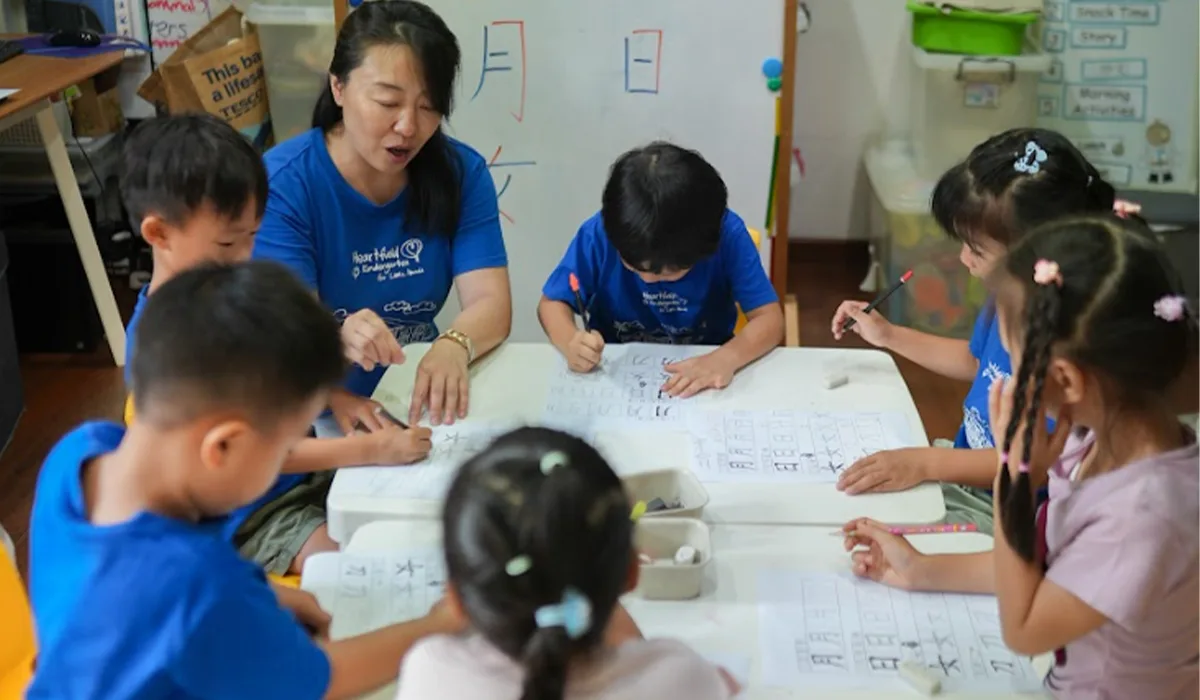
A strong adaptive curriculum should provide more than one way for children to particiapte in the same lesson. Instead of expecting every child to respond in a fixed way, teachers can offer different entry points through movement, visuals, hands-on materials, or conversation.
In such learning environments, you will often see teachers working with children in small groups or pairs to provide personalised attention. This creates space for closer guidance, and allows lessons to be adjusted based on how each child responds.
Adaptive learning approaches often include elements of experiential learning and authentic learning. These come together when children learn through direct, hands-on experiences anchored in real-life contexts. They may include exploring materials, cooking, gardening, or solving simple problems.
Most importantly, an adaptive curriculum should be child-directed. Children should be allowed to make choices, follow their interests, and take initiative in their learning. With thoughtful guidance from teachers, they build confidence, develop independence, and take ownership of their learning.
How Heartfield Embraces Adaptive Learning
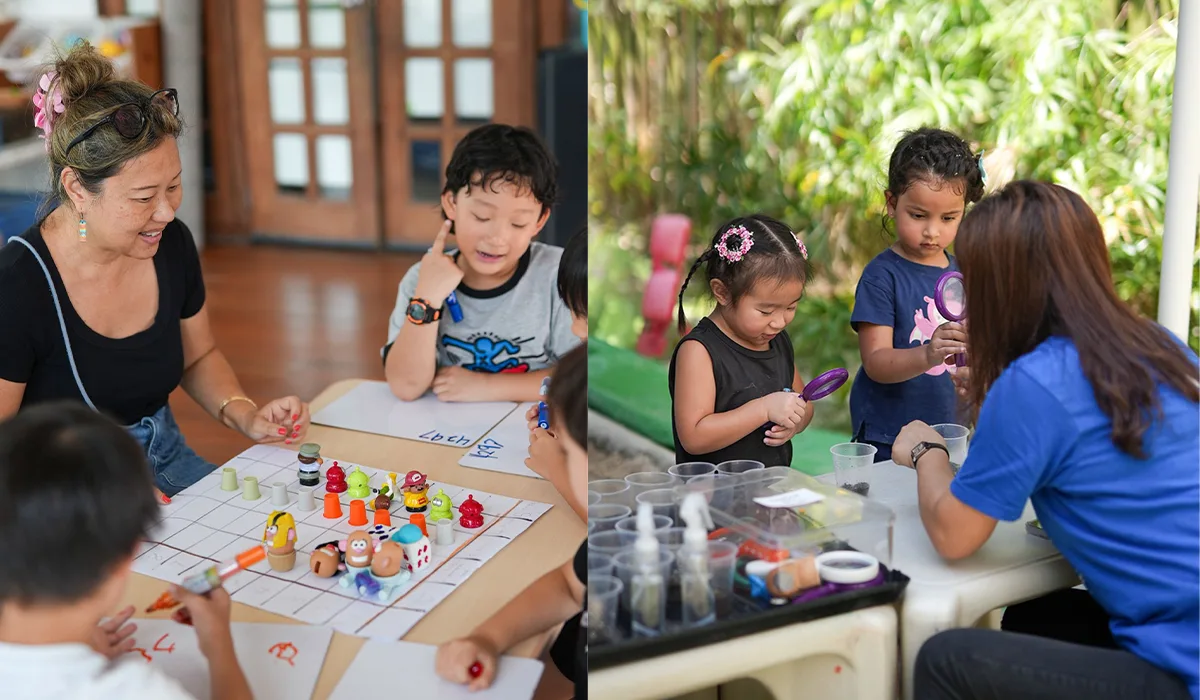
Step into Heartfield, and you will notice how we support our children’s different ways of learning.
Our one-acre campus gives your child space to move and explore. They can learn through action, count steps along a path, build with natural materials, or observe patterns outdoors. Experience-rich learning takes place through movement, discovery, and direct experience.
Our classrooms are also designed to help our children settle and focus. We have areas for active exploration coupled with quieter corners for children who prefer to observe, read, or work on their own. Such a balance helps each child to engage in a way that suits them.
Our teachers also take the time to understand each child. They observe how a child responds, adjust the activity, and guide them at a pace that feels comfortable. This helps children build confidence as they learn.
At Heartfield, each day follows a clear and predictable flow. Children know what to expect, which helps them feel steady. Within this structure, they are given space to explore their interests, reflect on what they have done, and grow in their own way.
Located at 31 Balmoral Road, we invite you to explore our adaptive-learning-oriented campus. Call us at +65 6835 2354, email info@HeartfieldKindergarten.com, or visit our website to arrange a visit.