Do you know why emotional safety for kids matters so much in kindergarten?
Before your child can read, write, count, or express ideas clearly, they need a safe and supportive learning space. This helps them feel secure, valued, and ready for the day’s activities.
Emotional safety is central to holistic learning. When your child feels safe, their brain is more ready to focus, explore, connect, and grow.
In this article, you will learn what emotional safety means in kindergarten, how it helps your child build confidence, what an emotionally safe curriculum looks like, and how Heartfield brings this to action each school day.
What is Emotional Safety?
Emotional safety means creating a warm, welcoming space where your child feels secure, valued, and part of the class. In early childhood education, this sense of belonging matters deeply.
In an emotionally safe learning space, children are often more settled and ready to take part. They can focus more easily, join in with greater confidence, and respond better to their teachers’ guidance. This provides them with psychological safety during their preschool years.
According to the National Association for the Education of Young Children (NAEYC), children learn best in environments shaped by caring relationships, where every child feels respected and included. This is reflected in the Ministry of Education’s Nurturing Early Learners Framework, which highlights the importance of warm, positive relationships in providing children with a safe environment to explore and learn.
The Connection to Confidence
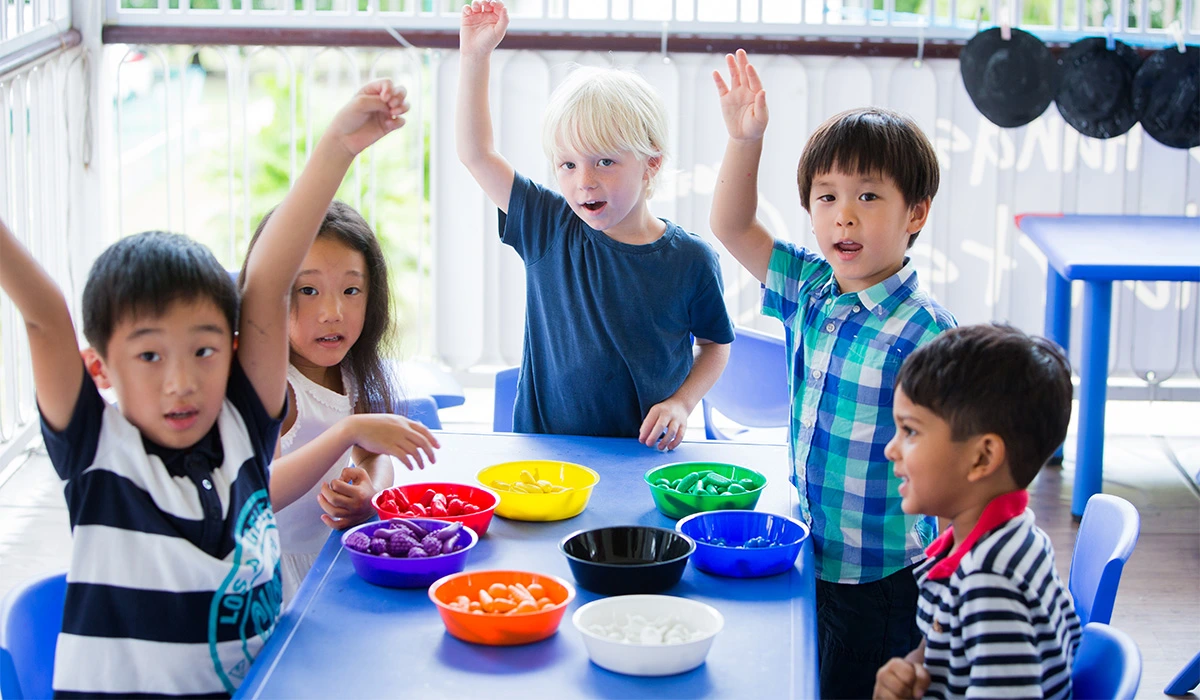
Now, how does emotional safety relate to your child’s confidence?
Our confidence grows when we feel valued for who we are, not what we can do. Hence, when children feel respected, included, and cared for, they are more willing to try new things, speak up, and take part. This helps them build their self-worth over time.
Emotional safety also helps children become more aware of themselves. They start to notice what they are feeling, what they enjoy, what they find difficult, and what they do well. Over time, this self-awareness helps them approach new experiences with greater calm and confidence.
Relationships with teachers play an important role, too. When children know that a trusted adult is nearby, they feel safer exploring, asking questions, and taking small risks in learning. That relationship becomes a secure base they can return to whenever they need comfort, reassurance, or help.
Everyday Activities That Build Resilience
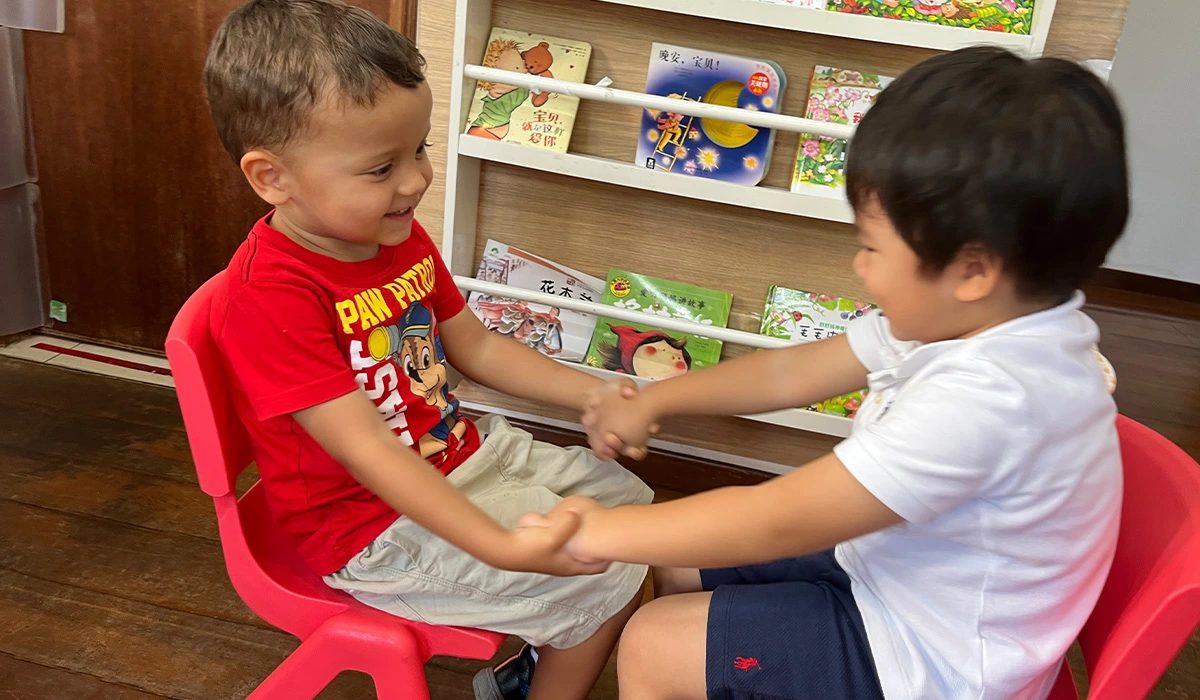
Now let’s see how we can apply emotional safety to our everyday lives.
First, experiential learning tasks help kindergarteners build resilience by valuing the process over the result. When your child explores, experiments, and works through a task step by step, they learn that effort, patience, and persistence matter.
Next, consider the value of role-playing. Doing so empowers your children to practice courage and social problem-solving in a safe setting. As they act out different situations, they learn how to respond, express themselves, and handle small challenges with greater confidence.
As parents, we can also use positive reinforcement thoughtfully. Instead of linking your child’s sense of worth to praise or approval, describe what you noticed in your child’s behaviour.
For example, you may say, “I saw how patiently you worked on that puzzle,” or “You kept trying even when it was difficult.” Such responses help your child to recognise the value of their specific actions without tying their identity to achievement or pleasing others.
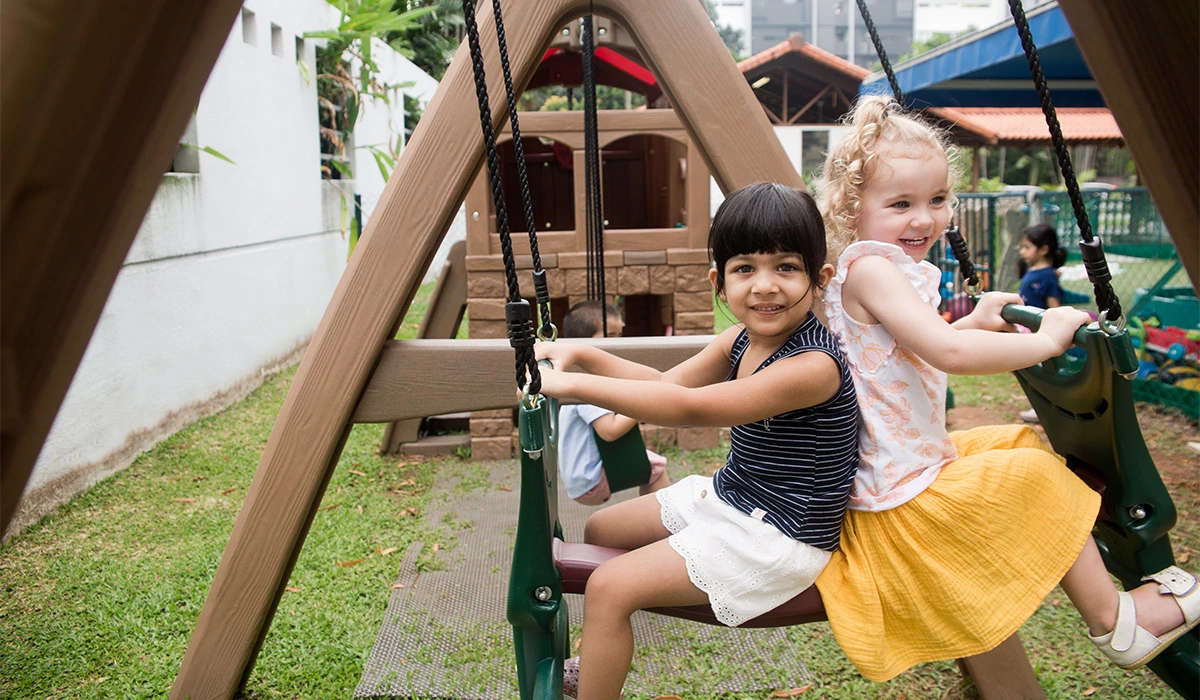
Finally, cooperative play helps our children to see themselves as members of a community. Through games and shared activities, they learn to ask for help, offer support, take turns, and work with others. These experiences help build resilience, confidence, and a stronger sense of belonging.
What a Strong Emotionally Safe Curriculum Looks Like
So what does an emotionally safe curriculum look like in practice?
According to MOE’s Nurturing Early Learners (NEL) framework, a robust preschool curriculum supports emotional safety by focusing on a child’s holistic development, values, social and emotional competencies, and learning dispositions. It gives children room to explore through active learning and purposeful play, with teachers guiding them along the way.
This means children need both challenge and support. They need familiar routines that help them feel at ease and comfortable, coupled with hands-on experiences that keep them curious, capable, and ready to learn. The Early Childhood Development Agency (ECDA) further highlights that well-designed preschool environments should support a child’s development, well-being, safety, and social and emotional growth.
In a nutshell, an emotionally safe curriculum gives your child a steady rhythm to the day, clear guidance from adults, and meaningful opportunities to explore, play, and grow with confidence.
How Heartfield Weaves Emotional Safety into Learning
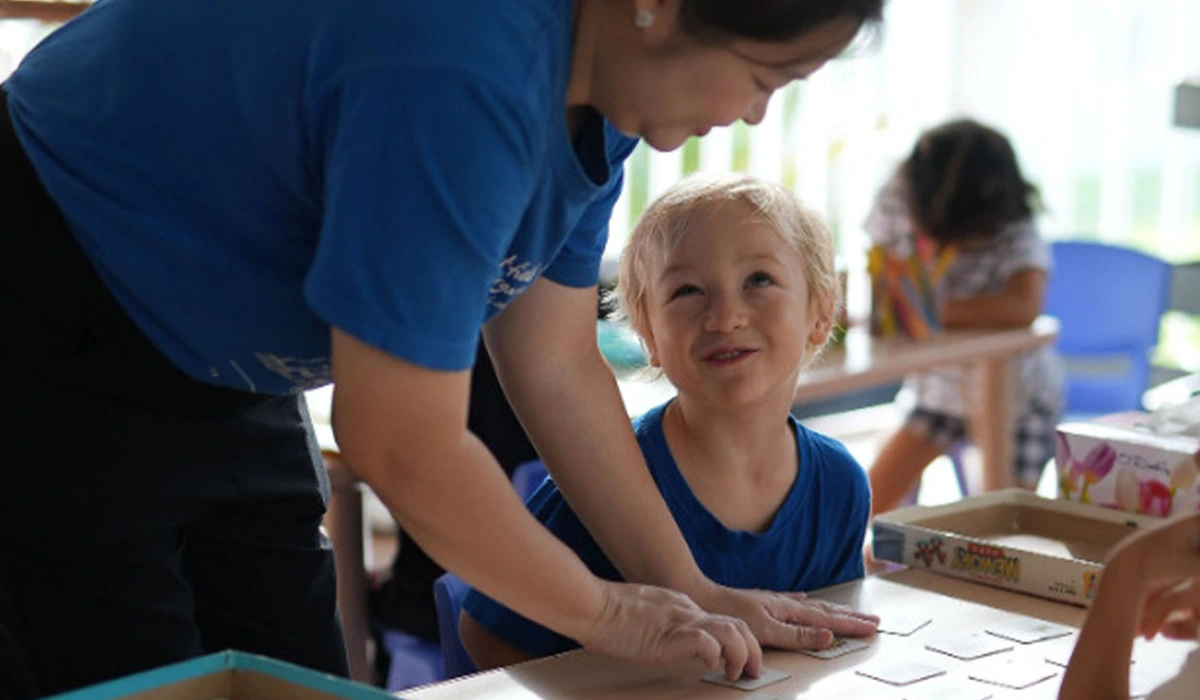
Curious to know how we embrace emotional safety at Heartfield Kindergarten?
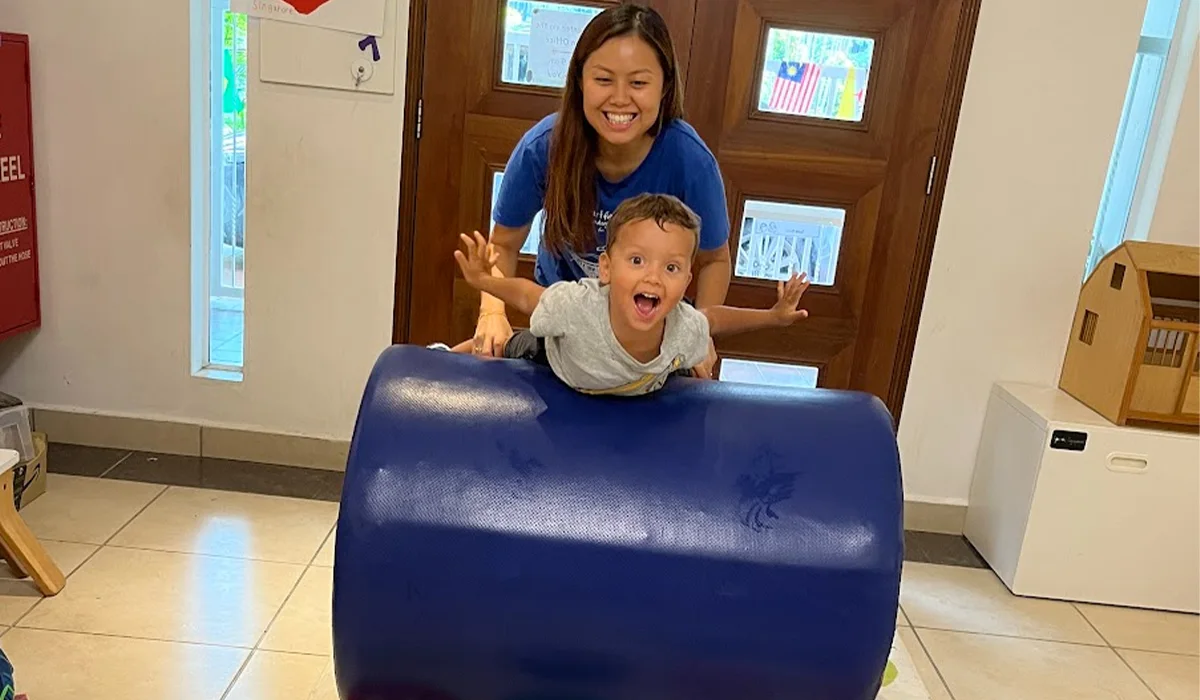
Well, it begins with relationships. Our teachers walk alongside your child each day, offering encouragement to explore and comfort when needed. As your child gets to know us and trust us, they feel more settled in the classroom and more willing to join in.
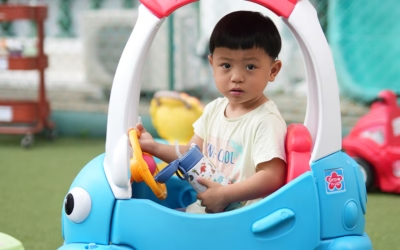
You will see this in our environment too. We make it a priority to design a homely “kampong”-styled space where your child can feel at ease. This helps them focus, join in more fully, and move through the day with a stronger sense of security.
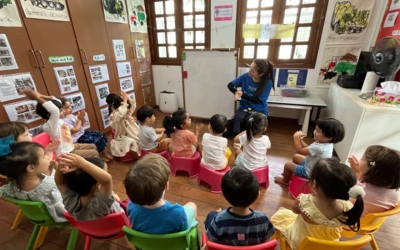
You may also notice this during our small group moments. Here, your child has the chance to express their feelings, work through problems, and relate to others without fear of being judged or criticised. Together, we will help your child grow in self-awareness, resilience, and trust.
At Heartfield, we care deeply about your child’s emotional well-being. When your child feels safe, supported, and known, they are more ready to learn, connect, and thrive. Located at 31 Balmoral Road, we invite you to see how we design an emotionally safe environment. Call us at +65 6835 2354, email info@HeartfieldKindergarten.com, or visit our website to arrange a visit.