Inclusive education matters to many parents in Singapore, even if you do not use that phrase. When deciding on the right kindergarten for your child, questions often go beyond what brochures and visits can show.
Will my child belong here? Will they be understood? Will they feel valued among others?
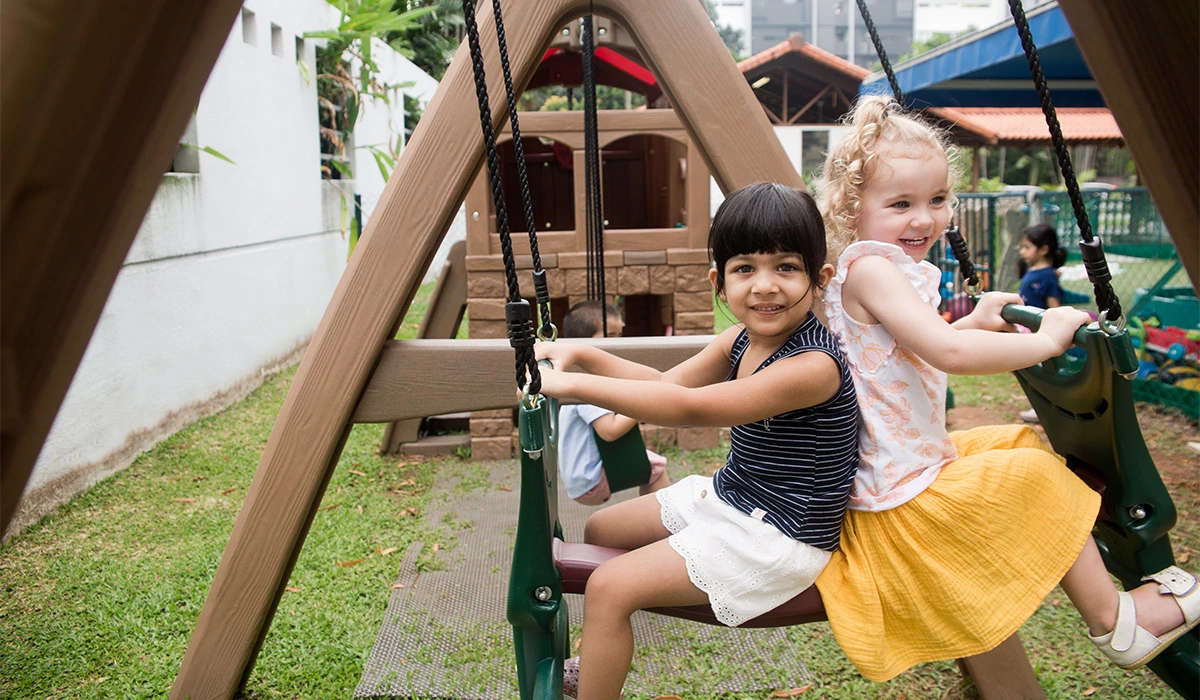
An inclusive kindergarten creates a community where children of different abilities, personalities, and backgrounds learn side by side. Diversity becomes part of daily life, woven into how children learn, play, and relate to one another.
This article explains what inclusive education means in the Singapore context, the benefits of an inclusive environment for social awareness, empathy, and problem solving, and the everyday experiences that support these outcomes. It also examines how inclusive practices shape confident, considerate children through clear, intentional classroom choices.
What is Inclusive Education
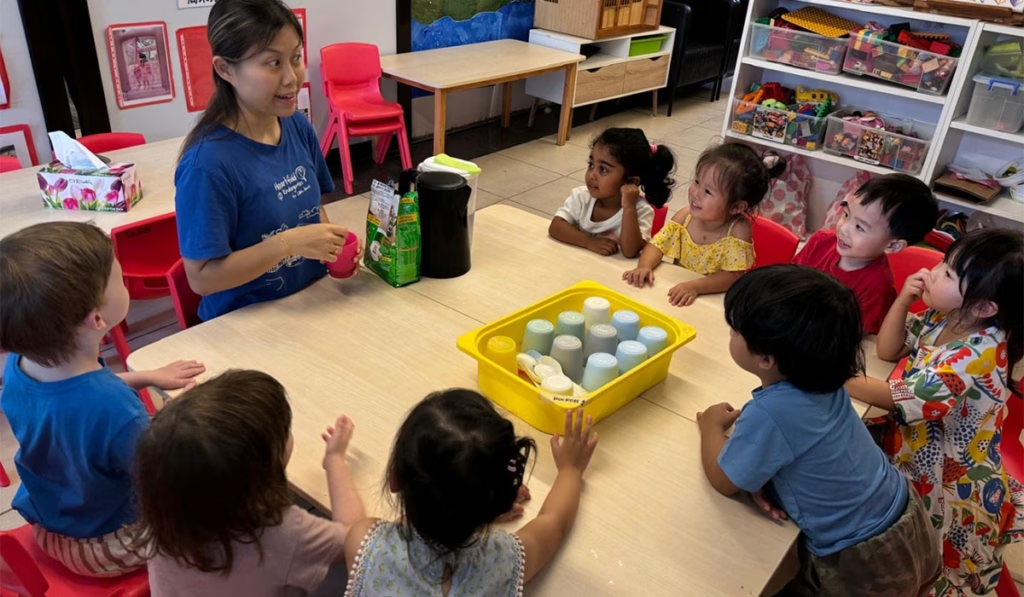
Picture a classroom where kindergarten children gather for story time. Some speak readily. Others pause before responding. One or two prefer to express ideas through actions or drawings.
This is an example of inclusive education. One in which each child participates in the same activity, learns alongside their peers, and finds a place in the group.
In Singapore, inclusive education focuses on valuing diversity in the classroom and planning learning experiences so every child can participate meaningfully. According to the Early Childhood Development Agency (ECDA), inclusive preschool practices create environments, interactions, and activities that support children with varied needs in the same setting. This ensures that children of different backgrounds, abilities and aptitudes can all thrive together.
The Benefits of Inclusive Learning Environments
As a parent, you see it all the time. Your child learns about others simply by being around them.
In an inclusive education setting, they’ll spend each day with peers who think, speak, and respond in different ways. Doing so builds social awareness by helping them notice differences and relate to one another with respect.
Inclusive preschool environments also support problem-solving skills. When communication or play does not go smoothly, children learn to pause, observe, and adjust. Over time, this strengthens adaptive thinking and the ability to see different viewpoints, skills that matter well beyond the preschool years.
Empathy also grows through everyday moments in a kindergarten. A child may notice a peer struggling to express an idea and step in to help, using patience, gestures, or encouragement. These experiences help children recognise others’ feelings and respond with care.
This is supported by UNESCO’s studies on inclusive education, which show that children educated in inclusive environments demonstrate stronger social and emotional development, greater cooperation, and greater acceptance of others over time.
Everyday Inclusive Activities for Preschool Children
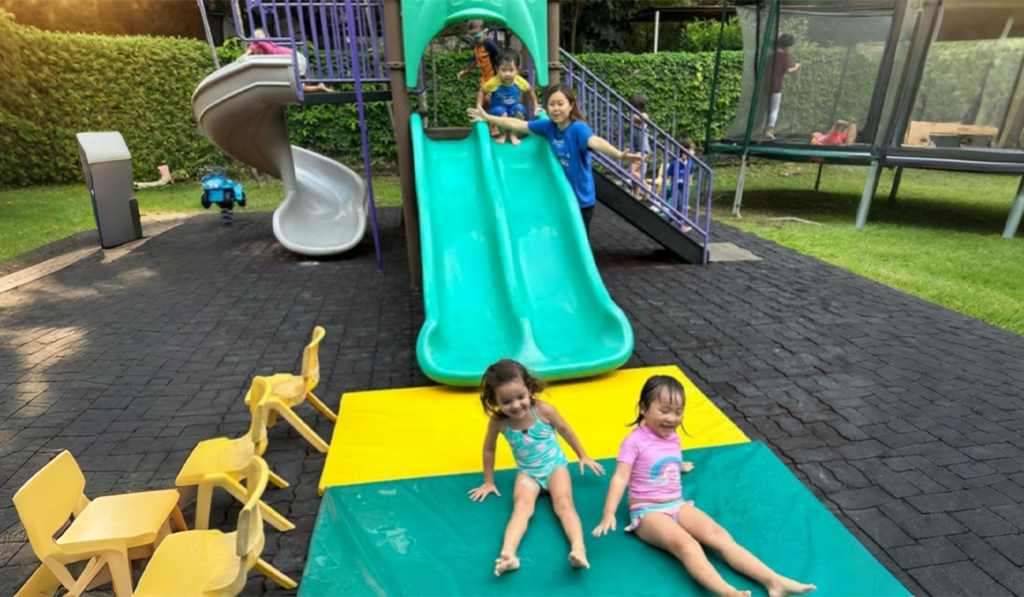
Wonder how you can foster greater inclusivity at home? Consider designing ordinary moments that foster inclusive encounters for your child.
Start with cooperative tasks. These help young children to learn teamwork without turning everything into a competition. Simple activities like setting the table together or tidying toys as a group encourage children to notice one another, take turns, and work towards a shared outcome.
Role play also gives children a way to name emotions and explore different perspectives. By acting out everyday situations, they can practise how others may feel and respond accordingly with care.
Simple games further play a part. Introduce board games or group activities that involve turn-taking. These help your children to develop patience, especially when peers move, think, or respond at different speeds.
Shared decision-making offers yet another opportunity. Letting children take turns choosing a game, a story, or a snack teaches them that everyone’s preferences matter.
Finally, read stories that feature different experiences. These provide excellent fodder for open conversations. Talking about characters who feel, think, or live differently helps children relate those ideas back to their own friendships and interactions.
What a Strong Inclusive Curriculum Looks Like
Now, how do you tell if a kindergarten’s curriculum is inclusive? Start by examining how their activities account for differences in how children learn, respond, and participate.
A strong, inclusive curriculum plans intentionally for diversity in daily experiences. Learning activities are designed to allow children to participate in different ways, whether by talking, moving, observing, or trying at their own pace. This allows each child to engage meaningfully within the same classroom setting.
Such a curriculum also relies on differentiated instruction. Teachers adapt their teaching rather than expecting every child to respond the same way.
Here, instructions may vary, materials may change, and support may shift from child to child. This approach keeps learning shared while allowing every child to participate fully and confidently.
How Heartfield Makes Learning Inclusive
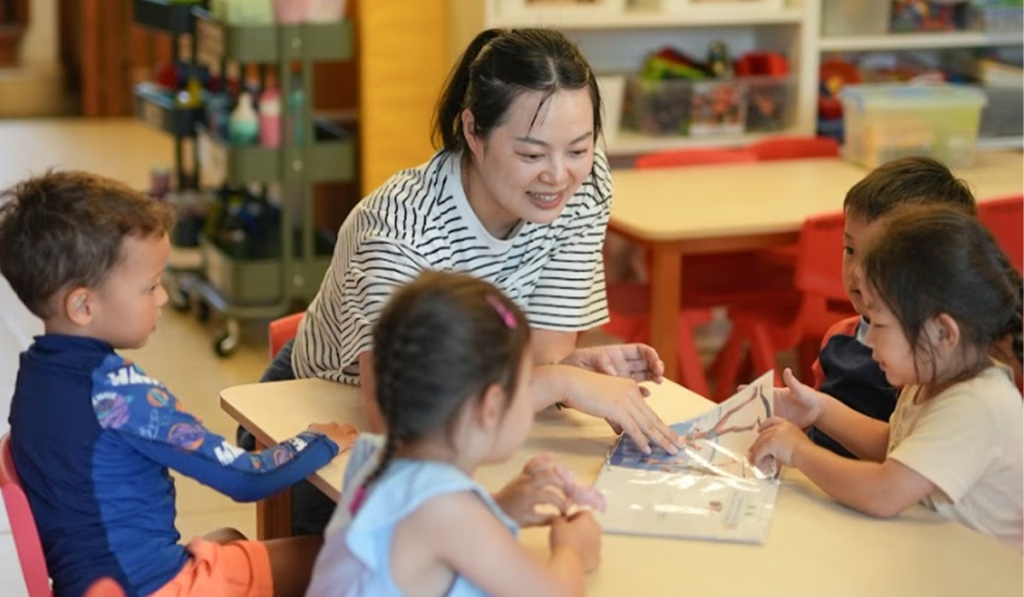
At Heartfield, every lesson is anchored on biblical principles of love and acceptance. This shapes how we welcome your child, guide their behaviour, and support their relationships with other children.
With our child-centred approach to learning, every child is seen as an individual, each with their own strengths, pace, and ways of expressing themselves. Rather than shape our children to fit a single mould, we nurture their unique areas of growth.
This is further cemented in how we conduct our relationships. Teachers model care and respect in everyday interactions, showing our children how they should notice differences and respond thoughtfully.
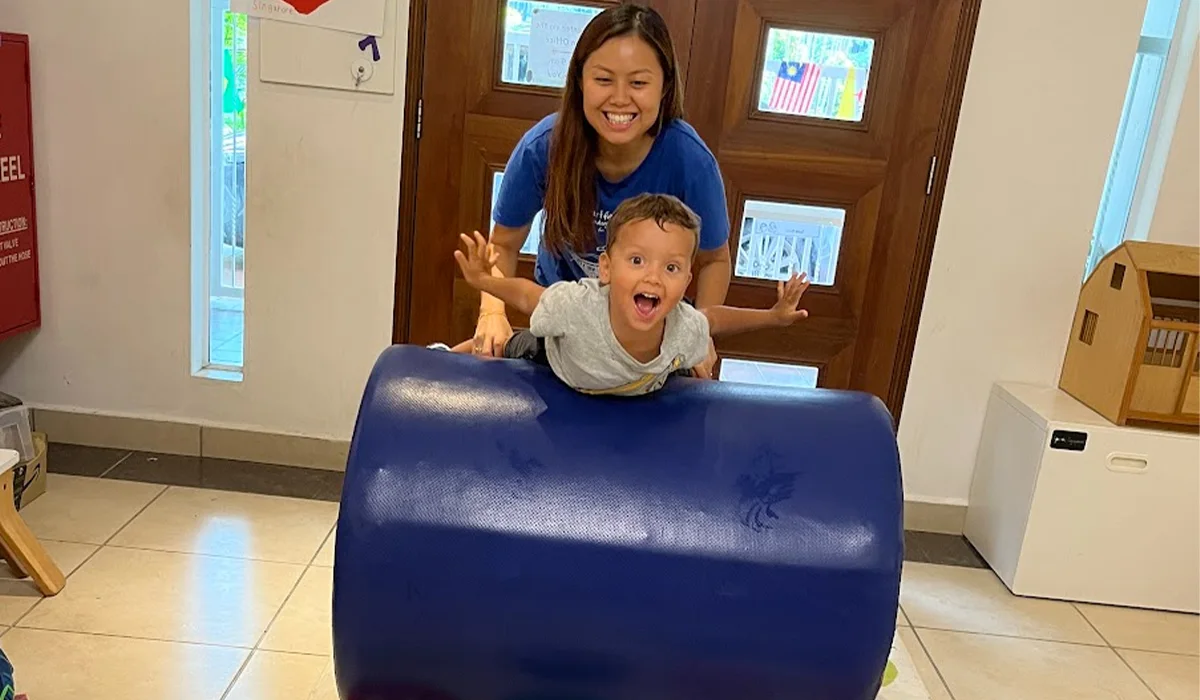
Much of our learning also takes place in small groups. Such settings allow your child to speak, listen, and cooperate without feeling rushed or overwhelmed. This helps them to develop empathy through shared experiences.
Our spacious campus gives our children room to move, pause, and process social interactions. Just as importantly, we give them time. Your child will have the space to try, make mistakes, and try again. They will also have room to explore, express themselves, and build their confidence.
It is a joy and privilege for our team to welcome children of all needs into the Heartfield family. Every child has their own “superpower” — it may not always be visible at first, but it is there, waiting to be uncovered. As they spend time together, we see them grow in appreciation for one another while feeling safe to be themselves. This reminds us how much we share, even as each child remains wonderfully unique. Indeed, the diversity of our children brings a richness and beauty to the Heartfield family that we truly cherish.
Located at 31 Balmoral Road, we invite you to explore our inclusive campus. Call us at +65 6835 2354, email info@HeartfieldKindergarten.com, or visit our website to arrange a visit.